DIY art is exactly what it sounds like — creating artwork yourself, without professional training or expensive studio space. It covers everything from watercolour painting and collage-making to upcycled sculpture and hand-lettering. The materials can be as simple as a pencil and a piece of paper, or as inventive as reclaimed timber and old magazines.
Why people are turning to DIY art
The appeal of making art yourself has grown significantly in recent years. People are increasingly drawn to creative hobbies as a way to disconnect from screens, manage stress, and produce something tangible with their own hands. Unlike passive forms of entertainment, art-making demands your full attention — and rewards it.
There's also something deeply satisfying about finishing a piece you've made yourself. Whether it ends up on your wall or in a gift bag, handmade art carries a personal quality that bought décor simply can't replicate.
Getting started without feeling overwhelmed
One of the biggest barriers to starting is the fear of doing it wrong. The truth is, there's no wrong way to make art for yourself. The goal isn't technical perfection — it's expression and enjoyment. Starting small helps. Pick one medium, gather a few basic supplies, and give yourself permission to experiment freely.
Watercolours are a popular choice for beginners because they're affordable, portable, and forgiving. Linocut printing, collage, and acrylic pouring are equally accessible. Each technique has its own learning curve, but none requires prior experience to enjoy.
Making the most of what you already have
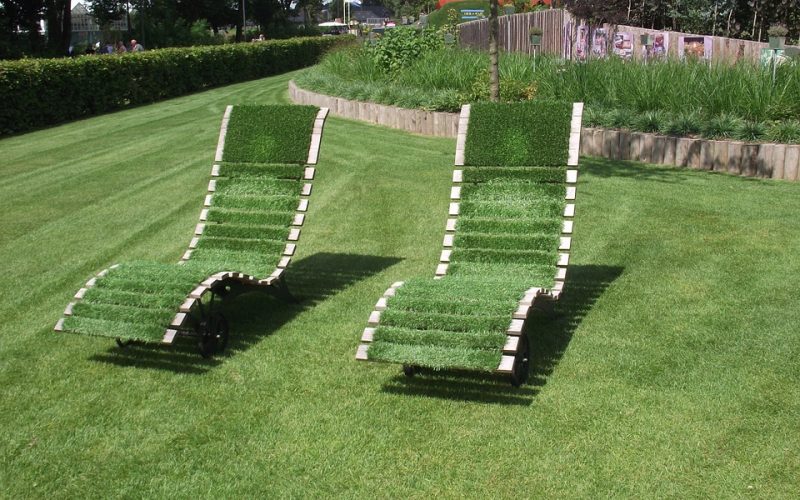
DIY art doesn't have to involve a trip to the art supply shop. Some of the most interesting work comes from using everyday materials in unexpected ways. Old newspapers, leftover fabric, broken tiles, or worn-out maps can all become the basis for something new. This resourceful approach not only keeps costs down but also adds a layer of meaning to the finished piece.
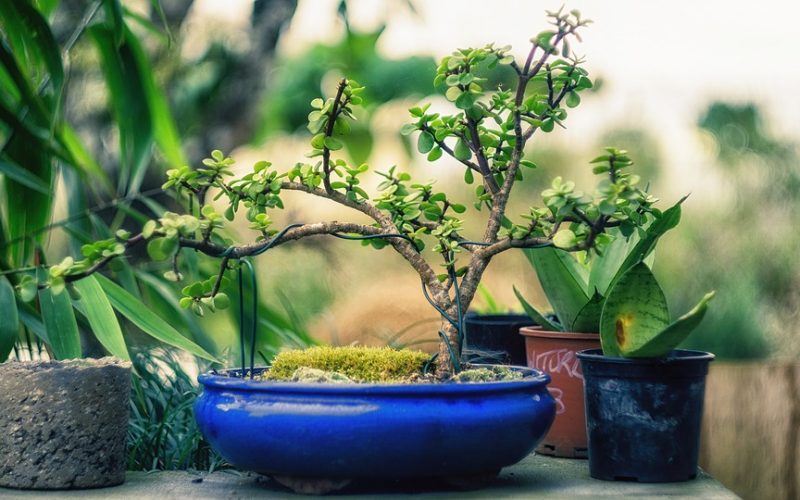
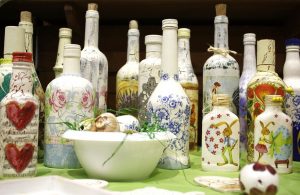
Upcycling objects into art has become particularly popular — think painted plant pots, decoupaged furniture, or hand-stamped textiles. These projects sit neatly at the intersection of art and home improvement, making them practical as well as creative.
The benefits go beyond the finished product
Research consistently shows that engaging in creative activities reduces cortisol levels and promotes a sense of calm. Art-making encourages a state of focused absorption — sometimes described as a "flow state" — where worries take a back seat and concentration sharpens. For many people, this is reason enough to pick up a brush.
Beyond the mental health benefits, DIY art also builds confidence. Each completed project, however small, reinforces the belief that you're capable of making something worthwhile. Over time, skills improve and ambitions grow — but even at the earliest stages, the process itself holds value.
Finding your creative direction
It helps to browse widely before committing to a particular style or medium. Platforms like Pinterest and YouTube are rich with tutorials, project ideas, and creative inspiration across every genre imaginable. Following artists whose work excites you can also spark ideas and point you towards techniques worth trying.
The most important thing is to start. Art doesn't need to be ambitious or polished to be worthwhile. A sketchbook filled with rough drawings still represents hours of practice, exploration, and creative thinking — and that counts for a great deal more than most people give themselves credit for.